

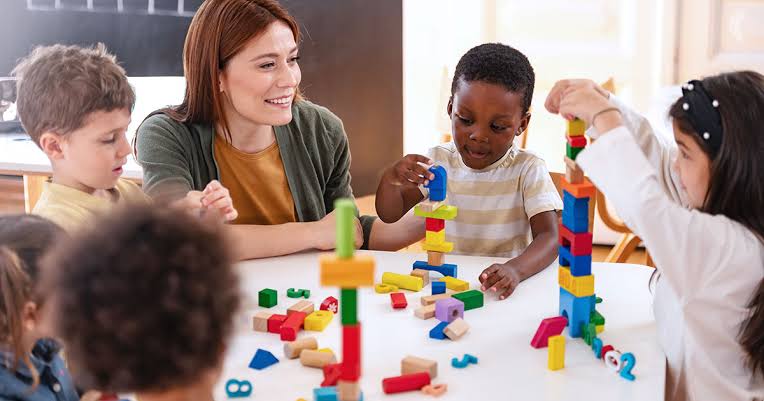
Structured approaches to child development can give families a clear framework for supporting practical skills while respecting individual abilities and needs. Ambitions ABA Therapy reflects the broader idea that developmental support can be organized around specific goals, consistent activities, and regular observation. Rather than expecting every child to progress in the same way, structured care can provide guidance that adapts to the child’s strengths, challenges, interests, and pace of learning.
Why Individual Needs Matter
Children develop skills at different rates, and their abilities can vary considerably across communication, social interaction, learning, and daily routines. Recognizing these differences is an important part of creating meaningful support. A plan that reflects a child’s current abilities can make activities more manageable while providing opportunities to build new skills gradually.
Individualized support also allows families and professionals to identify which situations require additional guidance. Some children may communicate confidently but need assistance with social interaction, while others may benefit from additional support with following instructions or completing everyday tasks. Recognizing these differences helps keep developmental activities relevant.
Setting Clear and Achievable Goals
Clear goals provide direction for developmental support. Instead of focusing on broad expectations, families can work toward smaller objectives that are specific and practical. A communication goal might involve expressing a basic need, responding to questions, or initiating an interaction. A daily living goal could involve completing part of a morning routine independently.
Breaking larger skills into manageable steps can make progress easier to observe. Goals can also be reviewed regularly and adjusted when a child develops new abilities. This creates a flexible process that can respond to changing needs without losing sight of longer-term development.
Developing Communication and Social Skills
Communication and social skills are important for participation at home, school, and in community settings. Structured activities can provide opportunities to practice listening, responding, requesting assistance, sharing, taking turns, and participating in conversations. These activities can be adapted to match a child’s communication level and comfort.
Social development can also involve learning how to recognize social cues, respond appropriately to others, and participate in group activities. Repeated practice within supportive situations can help children become more familiar with these interactions while allowing adults to provide guidance when necessary.
Encouraging Independence Through Daily Activities
Daily routines provide natural opportunities for children to develop independence. Activities involving dressing, eating, organizing belongings, personal hygiene, or completing simple household tasks can be broken into smaller steps. Practicing these steps consistently can help children become more comfortable with routines and gradually take greater responsibility for them.
Independence does not necessarily mean completing every task without assistance. It can involve knowing what to do next, requesting help appropriately, or completing part of a task independently. Recognizing these smaller achievements can encourage continued development.
Tracking Progress Over Time
Regularly observing and recording progress can help families understand how a child is responding to structured support. Changes may appear gradually, and progress can involve small improvements in communication, participation, confidence, or daily routines.
Tracking development also provides useful information for adjusting goals and activities. Families can share observations from home and other settings, while professionals can contribute information from structured sessions. This ongoing communication creates a clearer picture of development and helps ensure that support remains aligned with the child’s changing needs.
Comments are closed.