

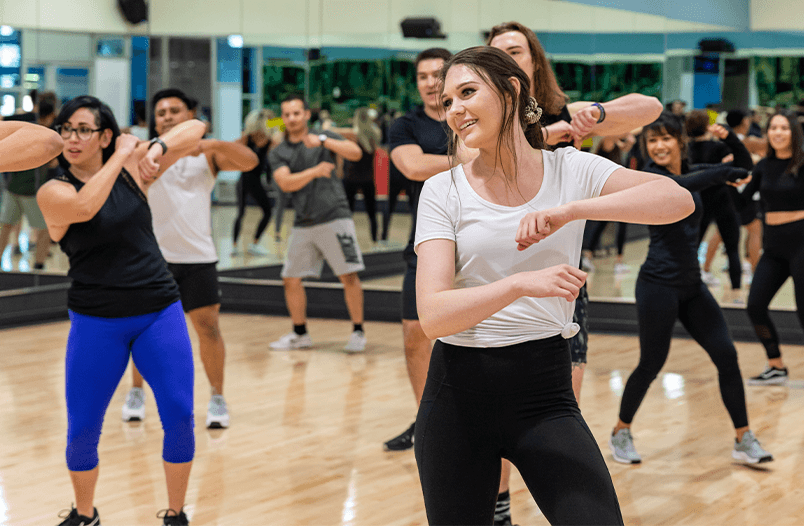
Cardio training does not always need to feel repetitive or mechanical. Many people associate cardio with running on a treadmill, cycling alone or pushing through long sessions that feel mentally tiring. While those methods can be effective, they are not the only way to improve fitness. Dance based cardio offers a more dynamic way to move, sweat and stay consistent.
For people looking at zumba classes singapore, the appeal is not only music and movement. Dance based cardio can support cardiovascular fitness, coordination, confidence and stress relief. It brings together rhythm, energy and full body movement in a way that makes exercise feel more enjoyable and sustainable.
Dance based cardio makes movement more engaging
One of the biggest challenges in fitness is consistency. People often stop exercising because the routine feels boring. Dance based cardio helps solve this by making movement feel less like a task and more like an experience.
Music, rhythm and choreography create a sense of flow. Participants are not just counting minutes on a machine. They are following movement patterns, responding to beats and staying mentally engaged throughout the session.
This engagement matters because people are more likely to return to workouts they enjoy. Enjoyment is not a small benefit. It is a serious part of long term fitness behaviour.
Cardiovascular fitness improves through sustained movement
Dance based cardio keeps the body moving for extended periods. This challenges the heart and lungs, helping improve stamina over time. The intensity can vary throughout the class, with faster sections, moderate sequences and short recovery moments.
This variation can make cardio feel more natural than steady repetitive exercise. Participants may not realise how much work they are doing because the music and class energy keep them involved.
Over time, regular participation can support better endurance, improved energy and greater comfort with physical activity.
Coordination develops through rhythm and repetition
Dance based cardio also trains coordination. Participants move their arms, legs, torso and feet in different patterns. They may step, turn, reach, squat, shift weight and follow rhythmic cues.
At first, some movements may feel unfamiliar. With repetition, coordination improves. The body learns timing, balance and movement transitions.
This can benefit everyday movement as well. Better coordination helps people feel more confident, agile and aware of their bodies.
Full body movement supports functional fitness
Dance based cardio is not limited to one muscle group. It involves the legs, core, arms, shoulders and back. Different movement patterns challenge the body in multiple directions.
This is useful because daily life also requires multi-directional movement. People turn, reach, bend, walk, climb and balance. A class that includes varied movement can support more complete physical awareness.
While dance cardio may not replace dedicated strength training, it can become an important part of a balanced weekly routine.
Stress relief is a major benefit
Many adults in Singapore deal with work pressure, screen fatigue and packed schedules. Dance based cardio can provide a mental reset. Music, movement and group energy help shift attention away from stress.
The emotional release can be powerful. Participants may enter class feeling tired or tense and leave feeling lighter, more energised and more positive.
Exercise itself supports mood, but dance based movement adds enjoyment and expression. This combination can make stress relief feel more natural.
Group energy improves motivation
Dance based classes are often more motivating because participants move together. The shared energy can help people continue even when they feel tired.
Nobody needs to perform perfectly. The aim is participation, movement and effort. A supportive class environment encourages people to keep moving without feeling judged.
A fitness destination such as True Fitness Singapore can support this type of energetic group training by offering structured class environments where members can enjoy movement while still working toward fitness goals.
Confidence grows through participation
Some people avoid dance based classes because they worry about rhythm or coordination. However, confidence improves with practice. Most participants are focused on following the instructor and enjoying the session, not judging others.
As members attend regularly, movements become more familiar. They feel more relaxed, more expressive and more willing to move fully.
This confidence can carry into other areas of fitness. A person who becomes comfortable in a dance cardio class may also feel more confident exploring other classes or gym activities.
Dance cardio fits into a balanced routine
Dance based cardio works best as part of a broader fitness plan. It can be combined with strength training, mobility work, yoga and recovery. This helps members build stamina while also supporting muscle, posture and flexibility.
For example, someone may attend dance cardio twice a week, strength train twice a week and include one recovery session. This creates variety and balance.
The key is to enjoy the class while still respecting recovery and overall training needs.
FAQ
I have no dance background. Will I look awkward in my first class?
It is normal to feel awkward at first. Most people need a few sessions to learn the rhythm and movements. Focus on moving, having fun and following the instructor as best as you can.
Can dance based cardio help if I dislike running?
Yes. It can be a strong cardio option for people who find running boring or uncomfortable. You still improve stamina through continuous movement, but the music and choreography make it more engaging.
I feel stressed after work. Is a dance cardio class too energetic for that mood?
It depends on your energy level. Many people find that music and movement help release stress. Start at a comfortable pace and use the class as a mental reset rather than a performance.
Should I still do strength training if I attend dance cardio regularly?
Yes. Dance cardio supports stamina and coordination, but strength training helps build muscle, posture and joint support. Combining both creates a more balanced routine.
Conclusion
Dance based cardio supports fitness, coordination and stress relief by making movement enjoyable, rhythmic and socially energising. It improves stamina while helping participants feel more confident and engaged.
For adults in Singapore, this type of class can be a practical way to make cardio more sustainable. When exercise feels enjoyable, consistency becomes easier, and long term fitness becomes more realistic.
Comments are closed.