

Research on diabetes care shows that lifestyle support and regular monitoring can help people improve their diabetes control when used along with medical care. A systematic review found that lifestyle interventions can improve HbA1c and fasting blood sugar in adults with type 2 diabetes. Read more here: PubMed review on lifestyle interventions.
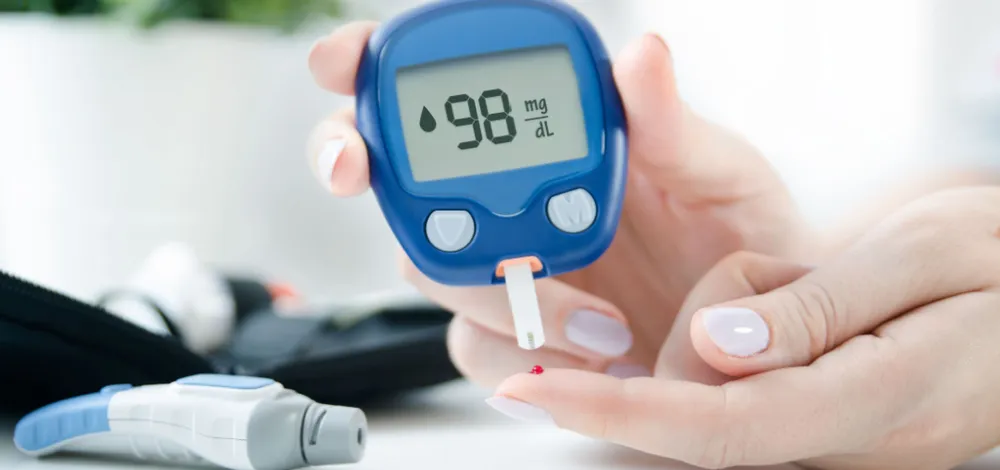
Blood sugar monitoring helps people understand how their body responds to food, activity, stress, sleep and medicines. It does not replace a doctor, but it gives useful information.
There are different types of readings. Fasting blood sugar is usually checked before food in the morning. Post-meal sugar is checked after eating. HbA1c gives an average picture of blood sugar over the past few months.
A single high reading does not always mean treatment has failed. It may happen after a large meal, poor sleep, stress, illness or missed medicine. But repeated high readings need medical attention.
Very low sugar can also be dangerous. Symptoms may include sweating, shaking, hunger, confusion, weakness or fainting. People taking insulin or certain diabetes tablets should ask their doctor what to do during low sugar episodes.
Monitoring is most useful when the patient knows what action to take. Ask your doctor:
What is my target range?
When should I check sugar?
What reading is too high?
What reading is too low?
When should I call for help?
A diary can help. Write down food, activity, medicines and readings. This makes doctor visits more useful.
People who want to learn more about structured care can read Madhavbaug’s information on diabetes care and monitoring support. The information should be discussed with a qualified doctor before making treatment decisions.
Blood sugar numbers are tools. They should guide safe action, not create fear.
Organisation resource: Madhavbaug
Medical note: Seek urgent help for confusion, fainting, severe weakness, vomiting, very high sugar with illness, or repeated low sugar.
Comments are closed.