
How Zumba Classes Support Mental Health and Stress Relief in Singapore’s Fast-Paced Lifestyle

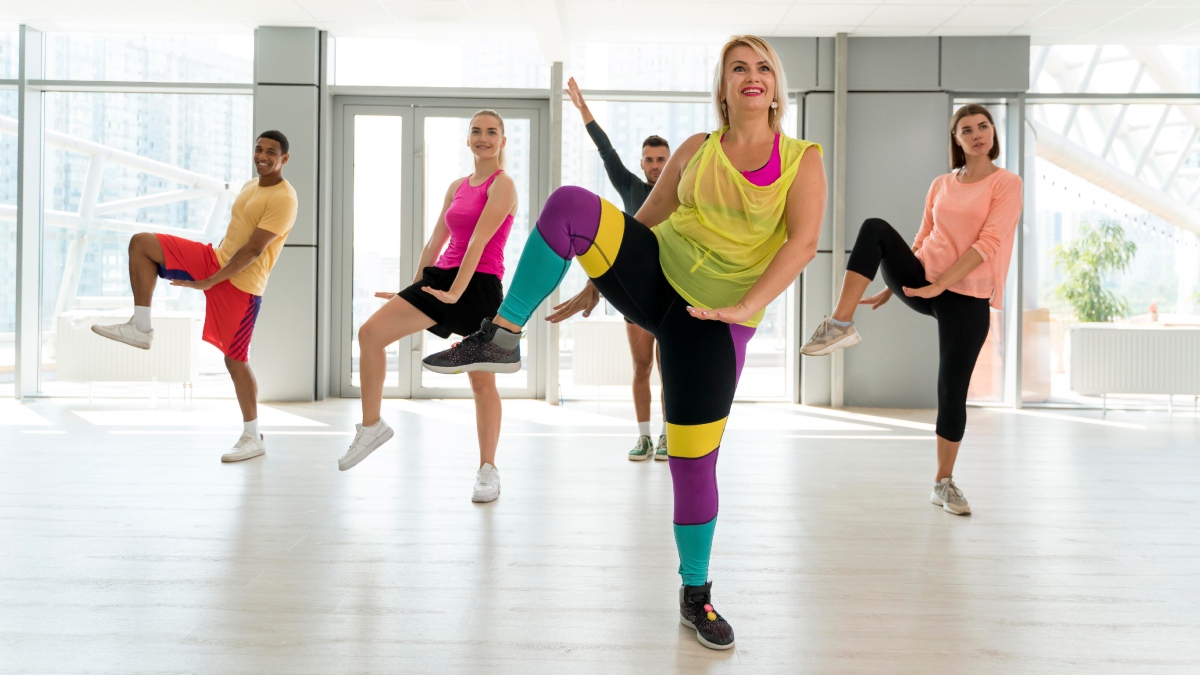
Living and working in Singapore often means long hours, tight schedules, and constant mental pressure. Many professionals actively look for fitness routines that do more than improve physical appearance. They want activities that release stress, lift mood, and create a sense of balance. This is where zumba classes singapore stand out as a powerful, science-supported option that blends movement, music, and mental refreshment into one enjoyable experience.
Unlike routine workouts that feel repetitive or mentally draining, Zumba combines rhythm-based movement with high-energy music. The result is not just calorie burn, but also emotional release, improved focus, and better resilience against daily stressors common in urban Singapore.
Understanding Stress and Mental Fatigue in Singapore
Singapore consistently ranks among the world’s most productive economies. While this efficiency is admirable, it often comes at the cost of mental well-being. Common contributors to stress include demanding work cultures, heavy screen time, long commutes, and limited mental downtime.
Chronic stress can lead to issues such as:
-
Reduced concentration and mental clarity
-
Poor sleep quality
-
Mood fluctuations and irritability
-
Physical fatigue despite adequate rest
Physical activity is widely recognised as an effective stress management tool, but not all workouts address the emotional side of stress equally. Zumba offers a unique advantage because it engages both the mind and body at the same time.
Why Zumba Is Different from Conventional Workouts
Zumba is structured around dance-inspired routines that require coordination, rhythm awareness, and movement flow. These elements stimulate cognitive engagement while keeping the body active. This dual involvement helps interrupt repetitive thought patterns that often fuel stress.
Key differences that support mental health include:
-
Music-driven movement that triggers emotional responses
-
Choreography that demands present-moment focus
-
Group energy that reduces feelings of isolation
Because participants are concentrating on steps and beats rather than performance metrics, the mind naturally detaches from work pressure and personal worries.
The Science Behind Zumba and Mental Well-Being
Endorphin Release Through Rhythmic Movement
Zumba sessions elevate heart rate while maintaining an enjoyable pace. This leads to the release of endorphins, which are natural mood enhancers. Endorphins help counteract cortisol, the hormone associated with stress.
Regular participation has been linked to:
-
Improved mood stability
-
Reduced anxiety levels
-
Enhanced sense of calm after workouts
Music as a Psychological Reset
Music plays a crucial role in Zumba. Upbeat rhythms stimulate the brain’s reward system, making exercise feel less like an obligation and more like recreation. Music also helps regulate breathing patterns, which is essential for calming the nervous system.
Improved Brain Oxygenation
Sustained cardiovascular movement increases oxygen flow to the brain. This can enhance cognitive function, improve memory, and reduce mental fog. For professionals dealing with decision fatigue, this effect is particularly valuable.
Zumba as an Effective Stress-Release Tool After Work
Many Singaporeans struggle to switch off mentally after office hours. Zumba classes create a clear transition from work mode to personal time.
Benefits after a workday include:
-
Physical release of tension stored in shoulders, hips, and lower back
-
Emotional decompression through expressive movement
-
Mental detachment from emails, meetings, and deadlines
Because Zumba is structured yet playful, it offers enough guidance to feel organised while still allowing freedom of expression.
Social Connection and Emotional Support in Group Classes
Stress is often amplified by isolation. Group fitness environments provide subtle emotional reassurance, even without direct interaction. Zumba classes encourage collective participation, which can foster a sense of belonging.
Positive social effects include:
-
Shared motivation and collective energy
-
Reduced feelings of loneliness
-
Increased confidence through group movement
These social benefits are especially important in Singapore, where many professionals live fast-paced lives with limited opportunities for relaxed social engagement during the week.
How Zumba Helps Improve Sleep Quality
Stress and poor sleep are closely connected. Zumba can help regulate sleep cycles by reducing mental restlessness and promoting physical tiredness in a healthy way.
Regular Zumba participants often experience:
-
Faster sleep onset
-
Deeper sleep phases
-
Reduced nighttime anxiety
Evening classes can be particularly effective when scheduled early enough to allow the body to cool down before bedtime.
Emotional Expression Through Movement
Unlike rigid exercise routines, Zumba allows expressive movement. This form of expression helps release suppressed emotions that often build up during stressful weeks.
Emotional benefits include:
-
Improved self-confidence
-
Greater emotional awareness
-
Reduced emotional fatigue
For individuals who struggle to verbalise stress, movement becomes a healthy alternative form of release.
Long-Term Mental Resilience Through Consistency
Stress management is not about eliminating stress entirely, but about building resilience. Zumba supports this by creating a consistent mental reset that participants can rely on.
Long-term mental benefits may include:
-
Better emotional regulation
-
Increased tolerance to pressure
-
Improved work-life balance
Over time, participants often report feeling more grounded and emotionally steady, even during demanding periods.
Integrating Zumba into a Balanced Lifestyle
For optimal mental health benefits, Zumba works best as part of a balanced routine. Pairing classes with proper hydration, nutrition, and rest enhances results.
Helpful lifestyle habits include:
-
Attending Zumba two to three times per week
-
Staying hydrated before and after sessions
-
Allowing recovery days to prevent burnout
Many individuals choose facilities like True Fitness Singapore because structured classes and professional guidance help maintain consistency without added stress.
Meaningful and Real-Life FAQs
Q: Can Zumba really help with work-related stress, not just fitness?
A: Yes. Zumba addresses stress through movement, music, and mental engagement. These elements help reduce cortisol levels and promote emotional balance beyond physical fitness.
Q: How long does it take to feel mental health benefits from Zumba?
A: Many participants notice mood improvement after just a few sessions. Consistent practice over several weeks usually leads to more stable stress reduction and better emotional resilience.
Q: Is Zumba suitable for people who feel mentally exhausted but not physically unfit?
A: Zumba is ideal for mental fatigue because it feels energising rather than draining. The music and group atmosphere often help participants feel refreshed rather than tired.
Q: Can Zumba replace meditation or mindfulness practices?
A: Zumba does not replace meditation, but it offers a moving form of mindfulness. The focus on rhythm and coordination naturally brings attention to the present moment.
Q: Does attending group Zumba classes help with social anxiety?
A: For many people, yes. The non-judgmental and energetic environment helps participants feel part of a group without pressure to interact verbally, which can gradually build social confidence.
Comments are closed.