

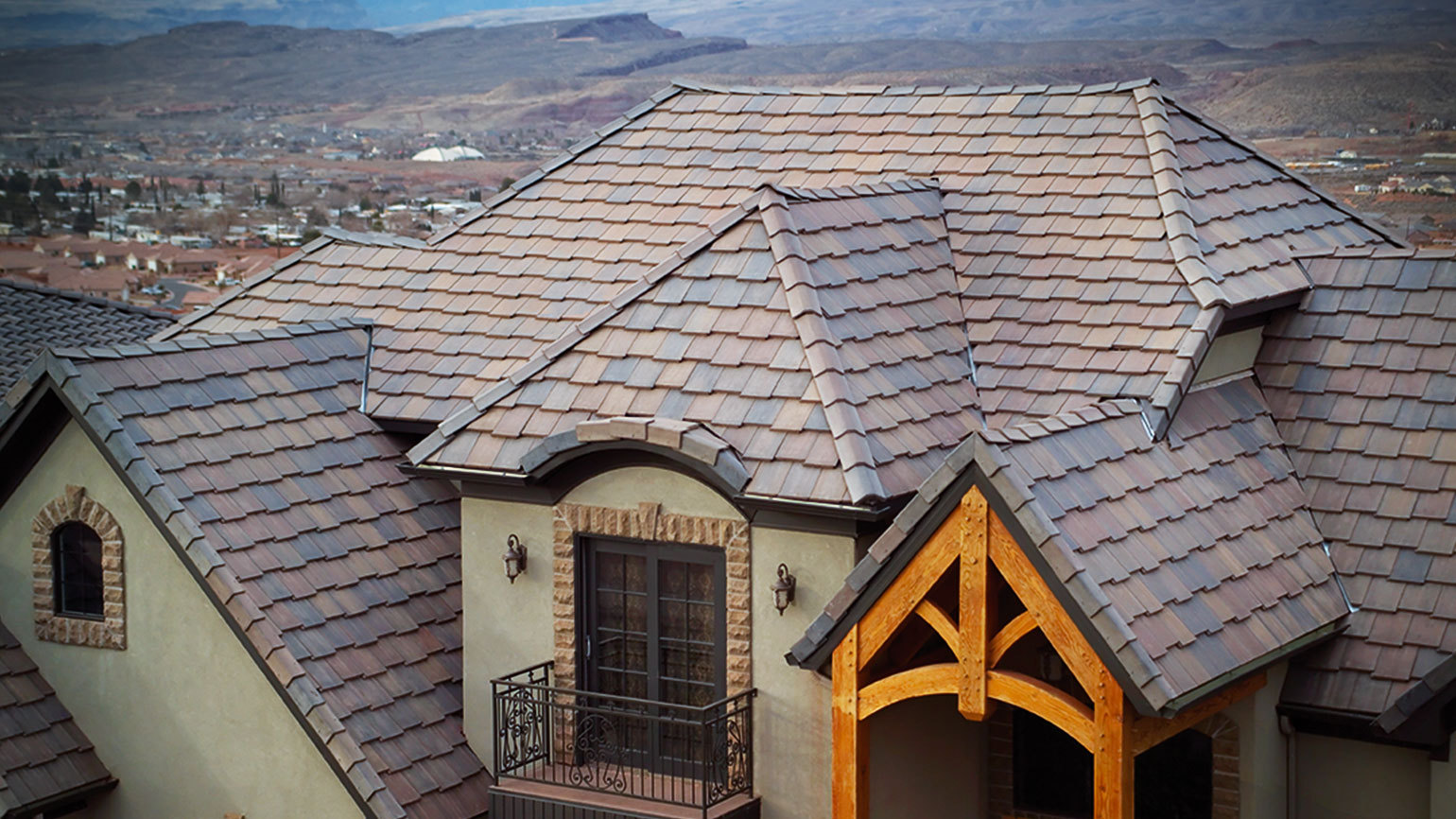
Tile roofing has been trusted for centuries, and it remains one of the most durable and visually appealing choices for homeowners today. From its remarkable lifespan to its ability to handle harsh weather conditions, tile has a reputation for reliability that few other roofing materials can match. As more homeowners explore long-term roofing solutions, tile stands out as a material that blends performance, character, and value in a single package.
Homeowners looking for quality often consult a professional tile roofing company to understand what type of tile best suits their home and what to expect during installation. Working with experienced professionals helps ensure that the chosen materials and methods align with both architectural style and climate demands.
A Roofing Material With a Proven History
Tile roofs have been used in cultures around the world for thousands of years. What makes tile so enduring is its resistance to common roofing threats. Clay and concrete tiles hold up well against moisture, pests, and exposure to sunlight. They do not rot, warp, or corrode. As a result, they consistently outperform many other roofing materials when it comes to longevity.
A well-installed tile roof can last fifty to one hundred years. This lifespan can significantly reduce the number of roof replacements a homeowner needs over a lifetime, which makes tile an appealing investment for long-term property planning.
Clay, Concrete, and Slate, Understanding the Options
Tile roofing comes in several different materials, each offering unique strengths. Clay is known for its classic terracotta appearance and impressive resistance to fading. Concrete tiles can mimic the look of stone, slate, or wood, giving homeowners more design flexibility. Slate tile is often chosen for premium homes because of its natural beauty and exceptional durability.
Each type of tile has different weight requirements, installation needs, and maintenance demands. This is one of the reasons homeowners often rely on a tile roofing company to ensure the chosen tile is compatible with the structure of the home. A roof must be able to support the added weight of tile, and the underlayment must be properly prepared to ensure long-term performance.
Why Tile Adds Value and Character
Tile roofing is not just durable. It also enhances a home’s character and curb appeal. Its distinctive texture and natural color variation help create a warm, refined look that complements both traditional and contemporary architecture.
Tile is also resistant to fading. Unlike some roofing materials that slowly lose their color over time, tile retains its appearance for decades. These qualities make tile a strong long-term investment for homeowners who care about aesthetics as much as durability.
An Energy Efficient Roofing Choice
Tile roofs are naturally energy efficient. Their shape and composition allow air to flow beneath the tiles, which helps regulate indoor temperatures. This ventilation creates a cooling effect in warm months and improves insulation during colder seasons.
As energy efficiency becomes a top concern for homeowners, tile roofing continues to gain traction as a choice that reduces heating and cooling costs without sacrificing style or strength.
What Long-Term Maintenance Looks Like
Despite its durability, tile roofing still benefits from routine care. Fortunately, maintenance is relatively minimal compared to other roofing materials. Most upkeep involves inspecting the tiles for cracks, ensuring debris does not build up in valleys or gutters, and checking the underlayment every few years.
Individual tiles can be replaced if damaged, which is a major advantage. Homeowners do not need to replace the entire roof if one area is affected. With proper installation and periodic care, a tile roof can continue performing well for decades.
How Installation Differs From Other Roofing Materials
Installing a tile roof requires specialized skill. Tiles must be laid in a precise pattern, and the underlayment must be carefully installed to ensure water resistance. This is not a job that general contractors typically handle. Specialized installers have the training and tools needed to work with heavy tiles safely and efficiently.
Professional installers also understand how to create proper ventilation and secure ridgelines. These details have a major impact on how well the roof will handle weather changes over time.
Environmental Benefits of Tile Roofing
Tile is an eco-friendly option because it is made from natural materials and can often be recycled. Clay and concrete tiles have a low environmental impact during production compared to synthetic materials.
Because tile roofs last so long, they reduce waste by lowering the number of times a roof must be replaced. Homeowners seeking sustainable building materials often choose tile for this reason.
When Tile Roofing Is the Right Choice
Tile roofing is ideal for homeowners who want a combination of longevity, beauty, and performance. It is especially appealing for those planning long-term ownership of their home. The initial investment is higher than some other roofing options, but the reduced maintenance costs and extended lifespan can balance out that expense over time.
Homeowners researching long-term roofing options often compare services provided by a tile roofing company to better understand installation requirements, tile types, and overall cost. This helps ensure that the final decision supports both structural needs and aesthetic preferences.
Final Thoughts
Tile roofing is a strong choice for homeowners who want reliability, visual appeal, and long-term value. Its ability to withstand weather challenges, maintain color, regulate temperatures, and last for decades sets it apart from many modern alternatives.
Choosing the right installers and understanding the available tile options can help homeowners enjoy a roof that combines functionality and craftsmanship in a way few other materials can match.
Comments are closed.