

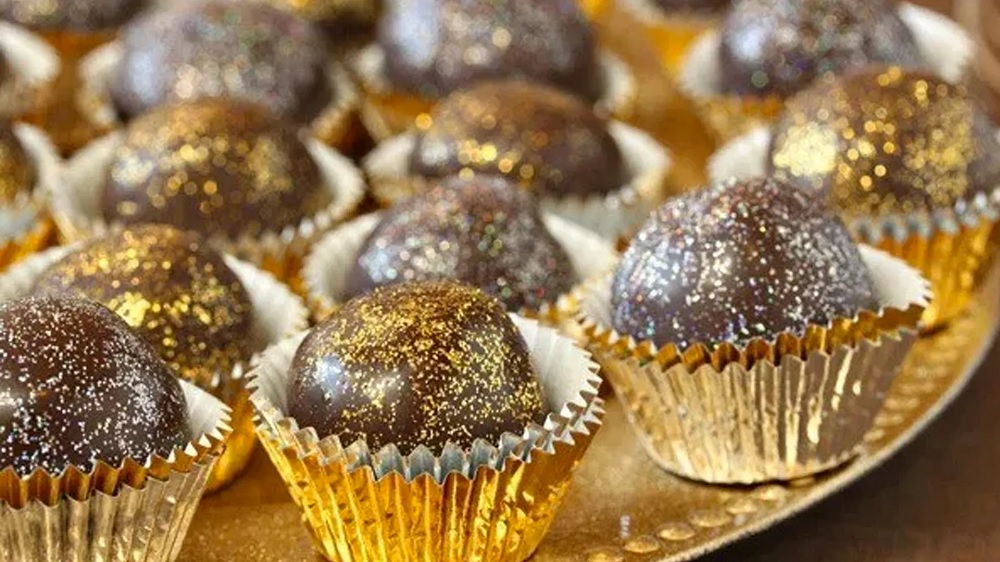
Understanding Edible Glitter: A Sparkling Revolution in Baking
What Exactly is Edible Glitter? The Science Behind the Sparkle
Edible glitter is not just a decorative enhancement; it is a unique culinary product that adds a dazzling finish to baked goods. In its core, edible glitter is made from sugar, gum arabic, and colors derived from food-grade materials, allowing it to be safely consumed. The glitter’s sparkle comes from light reflection off its small, flat surfaces which creates a twinkling effect when applied to cakes, cupcakes, cookies, and other confections. Understanding the science behind edible glitter enhances our appreciation for its use in baking—these tiny particles are manufactured to catch light in specific ways, thanks to their geometric shapes, which vary from stars to tiny circles.
Types of Edible Glitter: From Shimmer Dust to Glitter Sprinkles
The world of edible glitter is vast, encompassing various types that serve unique aesthetic purposes. Glitter dust, for instance, is finely milled and creates a subtle shimmer that can be brushed over cakes for an elegant touch. This is often used in professional bakeries to impart an ethereal glow. Glitter sprinkles, on the other hand, tend to be slightly larger and come in various shapes and sizes, making them ideal for more playful, vibrant designs, especially for children’s cakes. Many bakers also utilize luster dust, which gives a softer, more metallic sheen, perfect for adding depth to flowers and intricate decorations. It’s important to choose the right type depending on the cake’s theme, occasion, and desired impact, ensuring your cake not only tastes great but also looks stunning.
How Edible Glitter Differs from Regular Craft Glitter: Health and Safety Considerations
One crucial distinction between edible glitter and regular craft glitter lies in safety and health considerations. Regular craft glitter, composed of non-food-safe materials such as plastic, could potentially cause harm if ingested. In contrast, edible glitter is specifically formulated for consumption, adhering to stringent food safety regulations. Moreover, edible glitter must be labeled clearly, indicating its ingredients and ensuring its safety for use in food. When selecting glitter for your baking pursuits, always look for products marked “edible,” and scrutinize the ingredient list to avoid any harmful additives. As the demand for visually stunning baked goods rises, understanding these differences becomes paramount for health-conscious bakers and consumers alike.
How to Choose the Right Edible Glitter for Your Cake Creations
Color Theory in Baking: Picking the Perfect Shade for Your Theme
Color theory in baking is more than just a simple choice; it is a strategic decision that enhances the emotional and aesthetic experience of your cake. To select the appropriate shade of edible glitter for cakes, consider the occasion and the overall color palette of your cake. Colors can evoke moods—warm colors such as reds, oranges, and yellows generally create an energetic and happy feel, while cool colors like blues, greens, and purples promote calmness and serenity. Additionally, you can enhance the theme of the event; for example, golden edible glitter can elevate a wedding cake’s elegance, while vibrant rainbow glitter can be perfect for a child’s birthday party. By understanding how colors interact and the feelings they evoke, you can create stunning cake designs that resonate with your audience.
High-Quality vs. Low-Quality Glitter: What to Look For
Choosing high-quality edible glitter is essential for ensuring consistent results in your baking creations. Low-quality glitter often comprises inferior ingredients that may not provide the desired luster or could even affect the flavor of your cake. When evaluating the quality, look for products that are made from food-grade materials, free from harmful additives, and specifically formulated for baking. High-quality glitter will have a more vibrant color, a finer consistency, and a better ability to adhere to frosting or fondant. Additionally, consider the brand reputation; established manufacturing brands often prioritize quality assurance, ensuring that their edible products meet the necessary food safety standards. Investing in quality ingredients will elevate your cake designs and increase the overall satisfaction of your baked goods.
Natural vs. Artificial: The Ingredients Behind the Sparkle
When it comes to edible glitter, the debate between natural and artificial ingredients is significant. Natural edible glitter is derived from sources like fruits, vegetables, or spices; for instance, beet juice can create pink hues, while turmeric may produce yellow shades. This options appeal to health-conscious bakers who prefer to avoid artificial additives. However, natural glitters may have limitations in color intensity and shelf life. On the other hand, artificial glitters use synthetic colorants to achieve vibrant, longer-lasting colors. While these are perfectly safe for consumption, it’s crucial to ensure they comply with food safety regulations. Understanding these differences allows bakers to make informed choices based on dietary restrictions, aesthetic goals, and personal philosophies regarding food ingredients.
Techniques to Apply Edible Glitter: Transforming Your Cake Aesthetics
Master the Art of Application: Techniques for Even Coverage
Applying edible glitter effectively requires a bit of finesse to achieve an even and appealing look. One fundamental technique is using a dry brush, which allows you to gently dust the glitter across the surface of your cake or cupcakes. Ensure the surface is sticky enough to help the glitter adhere; frosting, chocolate ganache, or even a light mist of water can create a perfect canvas. For cakes that require a more defined look, consider using a stencil to control the distribution and shape of the glitter. This technique hones precision, which is particularly vital for intricate designs or lettering on cakes. Patience and practice are key to mastering the application; don’t rush the process, and make adjustments as needed for a polished finish.
Layering and Blending: Creating Depth with Glitter
Layering and blending edible glitter can significantly enhance the visual complexities of your cake. By strategically applying different colors or types of glitter, you can create a captivating ombre effect. Start with a base layer of a solid color, then gradually add lighter or contrasting shades towards the top or center of your cake. This technique not only provides depth but also activates the viewer’s eye, drawing attention to the design. Another approach is to blend fine glitter with larger sprinkles, which can add textural contrast and amplify the visual interest. Experimentation is key, so don’t hesitate to try different combinations until you discover the ideal layering technique that brings out the best in your cake design.
Innovative Ways to Incorporate Glitter Beyond the Frosting
While frosting is the most common canvas for edible glitter, there are numerous innovative ways to incorporate sparkle into your cake designs. Consider embedding the glitter within the cake layers themselves; sprinkle some edible glitter in the batter before baking to surprise guests with sparkling aspects when they slice into the cake. Additionally, you can dip fresh fruit or even edible flowers in simple syrup and then coat them with glitter, adding not only decoration but also an appealing garnish atop your cake. Another unique approach is to create a shimmering shimmer glaze or a spray using edible glitter mixed with clear alcohol (such as vodka) to mist over the cake for a radiant finish. These inventive applications can elevate your baking artistry, making your cakes distinctive and memorable.
Show-Stopping Cake Designs: Inspiring Ideas for Using Edible Glitter
Themed Cakes: How Glitter Can Elevate Your Vision
When it comes to themed cakes, edible glitter can transform a mere dessert into a work of art that embodies the essence of the event. For instance, a mermaid-themed cake could use ocean-blue edible glitter and shimmering pearlescent accents, emulating the beauty of the sea. For a rustic-style wedding cake, consider using gold edible glitter to highlight floral designs and decorations, contributing to an elegant yet natural aesthetic. The versatility of edible glitter allows for creative freedom—mix and match colors and finishes to encapsulate the theme fully. The key is to think about how glitter can complement not only the cake design but also the theme of the entire celebration, enhancing the visual storytelling of your baked masterpiece.
Seasonal Inspirations: Glittered Cakes for Holidays and Celebrations
Seasonal inspirations abound when it comes to using edible glitter, making it an integral part of holiday baking. For example, during the winter holiday season, snowy white edible glitter can evoke a winter wonderland feeling on gingerbread houses or festive cakes. Spring cakes can utilize pastel glitter shades to represent the rebirth and vibrancy associated with the season. During Halloween, bold orange and black glitter can create a spooky atmosphere for cakes designed with ghosts and pumpkins. These seasonal motifs not only attract attention but also create an emotional connection with people celebrating these occasions, making your cakes more than just a sweet treat but a centerpiece for cherished memories.
Real-Life Examples: Cakes That Sparkle and Dazzle at Events
Real-life examples of cakes adorned with edible glitter shine across social media, often capturing the imagination of bakers and cake lovers alike. From towering wedding cakes embellished with golden accents to whimsical birthday cakes featuring vibrant, multi-colored glitters—each creation tells a story and showcases the proponent of innovation in baking. Consider the example of a pastel rainbow cake shared on popular platforms, where each slice revealed a pop of color amidst a mist of shimmering edible glitter, capturing the enchantment of its creator’s artistic vision. Testimonials from professional bakers highlight how glitter has become a non-negotiable ingredient in their baking toolkit, helping them stand out in a competitive industry. These examples serve as a reminder that edible glitter is a powerful tool for enhancing visual appeal and delighting audiences across diverse events.
FAQ
Question: Can I make my own edible glitter at home? – Yes, you can create edible glitter at home using fine sugar mixed with food-grade colorants. Just ensure that all ingredients are food-safe to maintain the quality and safety.
Question: How should I store unused edible glitter? – Unused edible glitter should be stored in a cool, dry place in an airtight container to maintain its freshness and prevent clumping or moisture absorption.
Question: Does the application technique of edible glitter affect its appearance? – Absolutely! The technique you use, whether dusting, spraying, or layering, can significantly influence the final appearance, ensuring a uniform or artistic placement as desired.
Question: Can edible glitter be used on products other than cakes? – Yes, edible glitter can be used on a variety of baked goods such as cookies, cupcakes, and even drinks, enhancing the visual appeal of these items.
Question: Is there a difference in flavor between high-quality and low-quality edible glitter? – Yes, low-quality edible glitter may have an off taste due to inferior ingredients, while high-quality glitter is formulated to be flavor-neutral, ensuring it won’t detract from your baked goods.
Question: How can I ensure that the glitter stays on the cake? – To keep the glitter in place, apply it on a sticky surface like freshly frosted fondant or ganache. You can also use a light mist of water or simple syrup to help the glitter adhere better.
Question: Can edible glitter be combined with other decorations? – Definitely! Edible glitter can be beautifully combined with sprinkles, fondant decorations, and edible flowers to create unique and eye-catching designs on cakes and other confections.
Question: What should I do if the edible glitter clumps during application? – If glitter clumps, gently sift it through a fine mesh sieve to break it up before use. This will ensure a smooth application and even distribution on your cake or baked goods.
Comments are closed.