

The Marvel of Hydroxyapatite: What Makes It Special?
The Building Blocks of Strong Teeth
To understand why hydroxyapatite (HAP) is becoming a go-to ingredient in toothpaste, we must first explore the structural framework of our teeth. Hydroxyapatite is a naturally occurring mineral form of calcium apatite, primarily found in human bones and teeth. The composition of enamel, the hard outer layer of teeth, is about 95% mineral, with hydroxyapatite being the most significant component. Its crystalline structure not only provides durability but also plays a pivotal role in the overall health of your teeth.
In essence, HAP is akin to the bricks and mortar that compose a formidable structure; without it, the integrity of our teeth would be compromised. Regular exposure to acids, sugars, and various bacteria can erode this protective layer, leading to cavities and other dental complications. The introduction of hydroxyapatite in toothpaste helps replenish these essential minerals, effectively acting as a protective shield while promoting long-term dental health. With advancements in research and technology, hydroxyapatite is being synthesized in a lab to enhance its efficacy in dental care, leading to products that not only clean but actively contribute to building stronger teeth.
How Hydroxyapatite Mimics Natural Tooth Structure
A significant advantage of toothpaste with hydroxyapatite is its ability to mimic the natural composition and structure of dental enamel. Unlike traditional fluoride toothpastes, which can sometimes lead to concerns about overexposure, hydroxyapatite offers a biocompatible and non-toxic alternative that adheres to the tooth’s surface. When applied, hydroxyapatite particles fill micro-cracks and porosities in the enamel, enabling a smoother surface and a natural gloss akin to newly erupted teeth.
This mimicking capability does more than just enhance aesthetics; it significantly impacts the tooth’s overall function. When hydroxyapatite bonds with the enamel, it forms a protective barrier that inhibits the demineralization process triggered by acidic foods and beverages. Furthermore, due to its similarity to natural tooth structure, hydroxyapatite toothpaste promotes better integration and absorption compared to synthetic alternatives, ultimately supporting the remineralization process vital for long-term dental health.
The Science Behind Remineralization: A Deep Dive
Remineralization is a critical process that counters the daily wear and tear faced by our teeth. When acid attacks occur—whether from tooth decay, sugary snacks, or beverages—the enamel experiences a loss of essential minerals like calcium and phosphate. Hydroxyapatite plays an integral role in this process by restoring those lost minerals. Numerous studies have solidified the premise that HAP can significantly increase the surface hardness of enamel and dentin, leading to a decrease in the prevalence of caries.
What’s fascinating is the mechanism of remineralization. Hydroxyapatite acts as a nucleating agent, facilitating the deposition of calcium and phosphate from saliva back onto the tooth surface. This natural process mirrors how our body repairs itself, leading to a dynamic and effective method of combating cavities and decay. Furthermore, recent studies indicate that the use of hydroxyapatite not only halts tooth decay but may actually reverse early decay stages, reaffirming its status as a genuine breakthrough in preventive dentistry.
Unveiling the Oral Health Benefits of Hydroxyapatite Toothpaste
Fighting Cavities: A New Age Approach
When it comes to preventing cavities, hydroxyapatite toothpaste offers a multifaceted approach that extends beyond mere plaque removal. By actively replenishing lost minerals, HAP toothpaste creates a robust defense against cariogenic bacteria. These bacteria, responsible for tooth decay, thrive in acidic environments where minerals have been depleted. By applying hydroxyapatite in your oral hygiene routine, you create an environment unfavorable for these damaging microbes and promote an overall healthier oral ecosystem.
Moreover, HAP toothpaste promotes enhanced tooth hardness, making teeth more resistant to acid attacks. This is essential, particularly for individuals at higher risks of developing cavities, such as those consuming high-sugar diets or those with specific health issues affecting saliva production. Since HAP is naturally derived, it presents a safer alternative to traditional fluoride methods, which can be harmful if ingested in significant quantities.
Whitening Without Worries: The Gentle Touch of Hydroxyapatite
Many consumers are increasingly concerned about the potential side effects of whitening products, which often contain harsh abrasives or bleach-like chemicals. Hydroxyapatite toothpaste presents an answer, offering a gentler yet effective method for teeth whitening. The particles of hydroxyapatite can adsorb onto the enamel, lifting stains without causing enamel damage—a common issue with harsher whitening agents.
This transformative ability does not compromise the integrity of the enamel but rather enhances it, providing a brighter, smoother, and healthier surface. Users can enjoy a whiter smile without the fear of sensitivity or lengthy recovery times often associated with traditional whitening treatments. Additionally, the natural remineralization process promoted by hydroxyapatite further aids in maintaining overall tooth health after whitening, making it a holistic choice.
Reducing Sensitivity: Finding Comfort in Your Smile
Tooth sensitivity is a common dental issue affecting millions, often triggered by hot, cold, or sugary substances. This discomfort typically stems from exposed dentin due to enamel erosion or receding gums. Hydroxyapatite toothpaste offers a robust solution, proactively addressing the underlying causes of sensitivity. By filling microscopic pores and cracks in the enamel, HAP reduces the pathways through which stimuli can reach nerve endings in the tooth.
Moreover, its capacitating properties help reinforce and fortify weak spots in the enamel, thereby creating a durable protective layer. Users of hydroxyapatite toothpaste report noticeable reductions in sensitivity over time, ultimately leading to improved comfort and confidence while consuming their favorite foods and beverages. The process of healing and repairing that HAP promotes may also prevent the exacerbation of sensitivity, allowing for a long-term resolution.
How to Choose the Right Hydroxyapatite Toothpaste for You
Reading Labels: What to Look For
When sifting through the myriad of dental products available today, it’s essential to know what to look for on labels to ensure you are selecting a high-quality hydroxyapatite toothpaste. First and foremost, check for a high concentration of hydroxyapatite—ideally between 10% and 15%—to maximize efficacy. Additionally, paying attention to the toothpaste’s pH level can be informative; a balanced pH (around 7) is beneficial for maintaining oral health and preventing acid erosion.
Moreover, consider the absence of harmful ingredients such as sulfates, parabens, and artificial sweeteners. Opting for a toothpaste that lists natural flavors and ingredients serves as a hallmark of quality. Certifying organizations like the ADA or similar dental health authorities can lend credibility, ensuring the product adheres to established dental health standards. This careful scrutiny can lead you to products that genuinely prioritize your oral health.
Comparing Brands: What Sets Them Apart?
While several brands now market hydroxyapatite toothpaste, each can possess distinct qualities that set them apart. Some brands may emphasize organic ingredients sourced from natural environments, while others may tout advanced technology in their manufacturing processes—they might use nanoparticles of HAP for better penetration and adhesion. It’s essential to research each brand’s unique selling propositions and their contributions to oral health.
Furthermore, consumer feedback and reviews can provide insight into the efficacy of various brands. Observing real-world feedback regarding flavor, texture, and long-term results can be invaluable. Not all hydroxyapatite formulations are created equal, so finding one that aligns with your expectations and needs is crucial for achieving optimal results.
Personal Preferences: Flavor, Texture, and More
While the health benefits of hydroxyapatite toothpaste are paramount, personal preferences such as flavor and texture play a significant role in ensuring consistent usage. Many individuals may shy away from certain dental products due to undesirable taste or gritty texture. Fortunately, many manufacturers today offer a diverse range of flavors from classic mint to more novel options like coconut or charcoal, catering to different tastes and preferences.
Moreover, the texture can vary; some may prefer a traditional paste, while others may enjoy a gel-like formulation. Finding a product that is pleasurable to use encourages a regular oral hygiene routine, ultimately enhancing oral health outcomes. Engaging with samples or travel-sized options can be an excellent way to test the waters without fully committing to a particular brand.
Integrating Hydroxyapatite Toothpaste into Your Oral Care Routine
The Best Techniques for Application
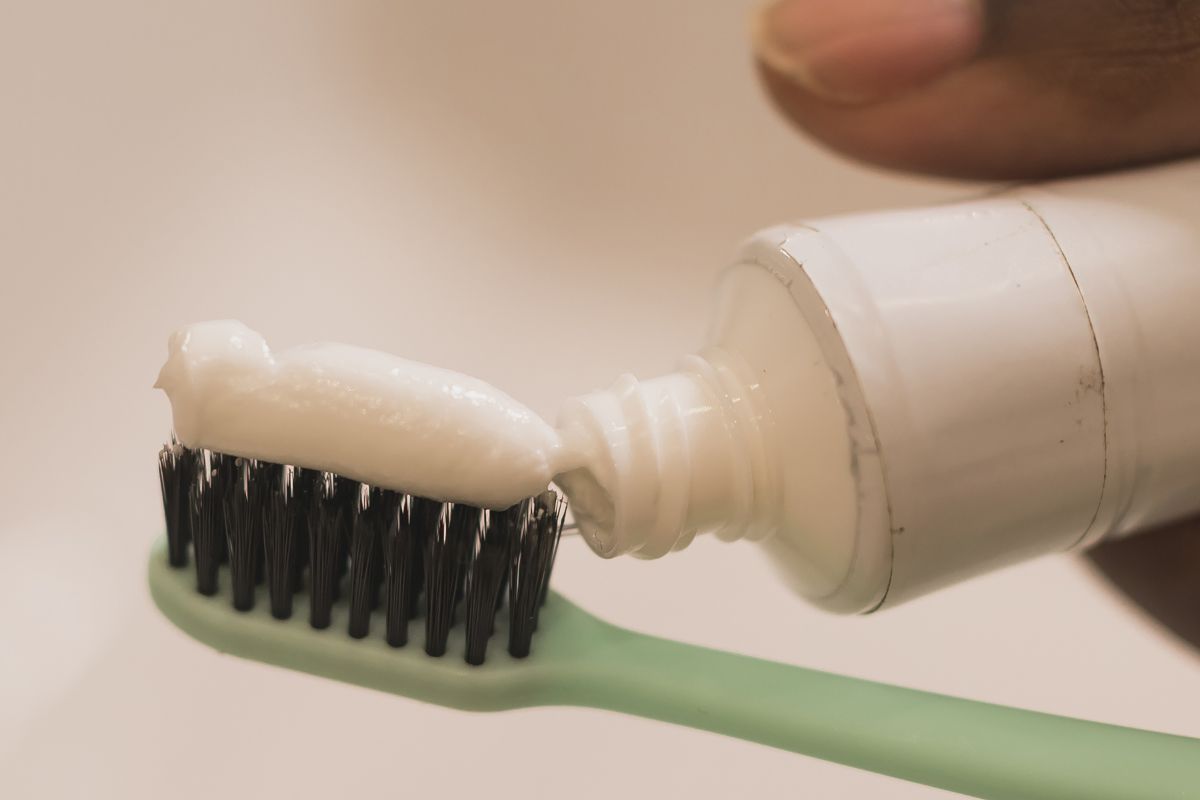
Integrating hydroxyapatite toothpaste into your oral care routine is simple and achievable, yet doing so strategically can amplify its benefits. Begin by brushing your teeth at least twice a day for two minutes each session, ensuring you cover every surface of your teeth. Applying a sufficient amount—around a pea-sized dollop—is recommended; overapplying may lead to wastage without additional benefit.
To maximize remineralization, consider employing a technique known as ‘dry brushing’ once a week, where you brush without water. This allows the hydroxyapatite to adhere more effectively to the enamel, ensuring that the particles penetrate into damaged areas. Additionally, allowing the toothpaste to rest on the teeth for a minute before rinsing can enable deeper absorption and interaction with the enamel.
Pairing with Other Oral Care Products: A Symbiotic Relationship
Toothpaste is just one element of a comprehensive oral hygiene regimen. Pairing hydroxyapatite toothpaste with complementary products can further enhance dental health. Mouthwashes containing additional hydroxyapatite, for instance, can serve as an excellent adjunct to your brushing routine, reinforcing the benefits of remineralization throughout the day.
Flossing also plays a crucial role in maintaining a healthy mouth by eliminating food particles and plaque in hard-to-reach areas between the teeth. Consider incorporating hydroxyapatite-infused floss to ensure you are maximizing the remineralization process. Moreover, chewing sugar-free gum post-meals can stimulate saliva production, aiding in natural remineralization while enhancing the overall benefit of using hydroxyapatite toothpaste.
Beyond Toothpaste: Exploring Hydroxyapatite in Other Dental Products
Hydroxyapatite is not just confined to toothpaste; it’s being utilized in an array of dental care products that cater to varied needs. Mouth rinses, dental powders, and even chewing gums infused with hydroxyapatite are increasingly common. These products are designed to enhance oral hygiene by delivering additional remineralization benefits and freshening breath.
Furthermore, professional dental treatments incorporating hydroxyapatite can provide more aggressive remineralization options for those prone to cavities or early signs of decay. Understanding the various applications of hydroxyapatite can empower individuals to customize their oral care routines, ultimately fostering healthier smiles for years to come.
FAQ
Question: How often should I use hydroxyapatite toothpaste? – It is recommended to use hydroxyapatite toothpaste at least twice a day for optimal results, just like traditional toothpaste.
Question: Is hydroxyapatite toothpaste safe for children? – Yes, hydroxyapatite toothpaste is considered safe for children as it is non-toxic and biocompatible, making it a gentle alternative to fluoride toothpaste.
Question: Can hydroxyapatite toothpaste replace regular dental visits? – No, while hydroxyapatite toothpaste can enhance oral health, it should complement regular dental check-ups and cleanings rather than replace them.
Question: What flavors are available in hydroxyapatite toothpaste? – Hydroxyapatite toothpaste comes in a variety of flavors, from classic mint to innovative options like coconut or charcoal, catering to different tastes.
Question: Can hydroxyapatite toothpaste help with braces or aligners? – Yes, hydroxyapatite toothpaste can provide added protection for teeth under braces or aligners by promoting remineralization and reducing the risk of decay.
Question: What is the main difference between hydroxyapatite toothpaste and fluoride toothpaste? – The main difference is that hydroxyapatite toothpaste provides a biocompatible and non-toxic alternative to fluoride, focusing on natural remineralization rather than relying on fluoride’s protective effects.
Question: How long does it take to see results from using hydroxyapatite toothpaste? – Most users may start to notice improvements in tooth sensitivity and overall dental health within a few weeks of consistent use.
Question: Are there any side effects associated with hydroxyapatite toothpaste? – Generally, hydroxyapatite toothpaste is well-tolerated and has minimal side effects, but some individuals may experience different reactions depending on unique sensitivities or allergies to specific ingredients.
Useful Resources
- American Dental Association
- National Institute of Dental and Craniofacial Research
- Mouth Healthy – ADA
- American Pediatric Dentistry
- Academy of General Dentistry
- Frontiers in Dentistry
- Journal of the American Dental Association
- Journal of Dentistry
Comments are closed.