

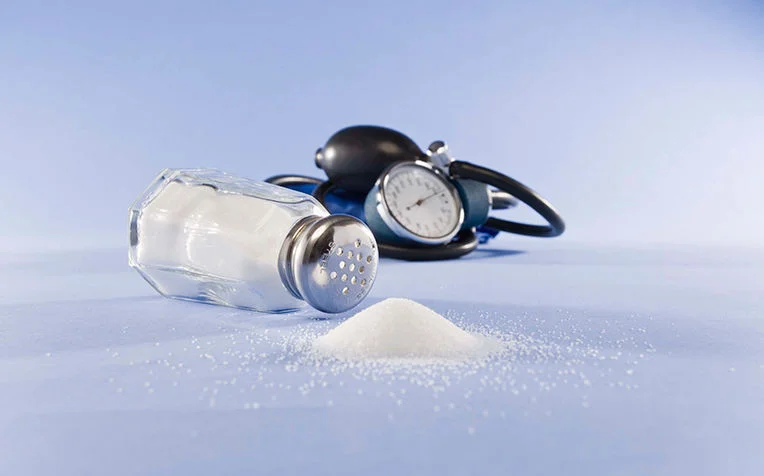
Salt can influence blood pressure, especially in people who are salt-sensitive. Many people think they eat only a little salt because they do not add much at the table. However, sodium can hide in pickles, papad, farsan, packaged snacks, bakery foods, sauces, chutneys, instant foods and restaurant meals.
The Indian plate can be made heart-friendly without becoming tasteless. Lemon, coriander, garlic, roasted spices, curry leaves and other flavouring methods can reduce dependence on excess salt. The aim is not to remove enjoyment from food, but to reduce hidden sodium and improve balance.
Packaged foods deserve attention. Nutrition labels may show sodium per serving, but the actual portion eaten may be larger than the serving size. A packet of savoury snacks can contain more salt than expected. Eating such foods daily can make BP control harder.
Restaurant food is another source. Even foods that do not taste very salty may contain high sodium. Gravies, chutneys, soups, sauces and fried snacks can add up quickly.
Salt is only one part of blood pressure care. Weight, physical activity, sleep, alcohol, stress, kidney health and medicines also matter. A patient may reduce salt but still have high BP if other drivers are uncontrolled.
Madhavbaug’s hypertension diet and lifestyle care can be used as a resource for readers wanting supervised BP management.
Patients with kidney disease, heart failure or certain medicines need personalised advice. Some salt substitutes contain potassium, which may be unsafe for people with reduced kidney function or those taking specific BP medicines. Do not switch to salt substitutes without medical guidance.
Practical steps include reducing packaged snacks, limiting pickles and papad, tasting food before adding salt, choosing fresh foods more often and planning meals at home. Families should avoid keeping high-salt snacks as daily items.
Reducing salt may feel difficult at first. Taste buds can adapt gradually. A stepwise reduction is often more sustainable than sudden extreme restriction.
Readers may also visit Madhavbaug hypertension support for broader care information.
Medical disclaimer: Dietary changes should be personalised, especially when kidney disease, heart failure or multiple medicines are present.
Comments are closed.