

Key Takeaways
Plasma donation plays a key role in managing various medical conditions, from trauma and burns to chronic diseases, making it an essential component of San Diego’s healthcare landscape.
Unlike blood donation, the plasma donation process takes more time and typically collects around 650-800 mL, while blood donations generally involve around 500 mL.
To donate plasma, you usually need to be between 18 and 69 years old, weigh at least 110 pounds, and have a sound medical history.
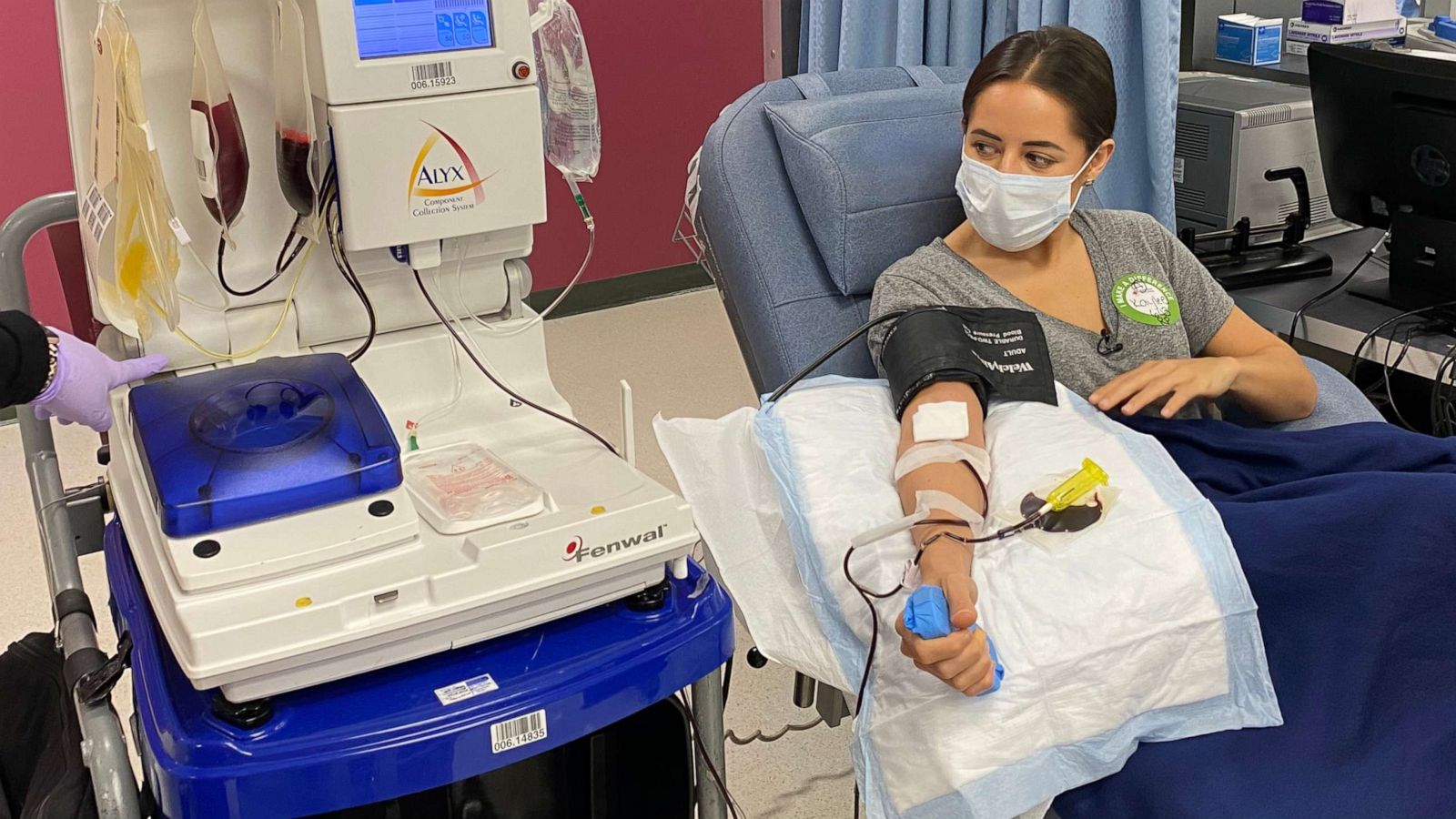
Generally, you can expect the plasma donation journey to include registration, a health screening, the donation itself via an apheresis machine, and some post-donation care, mainly focusing on hydration.
Compensation for plasma donors can range from $20 to $50 per donation. Some centers even offer bonuses for frequent donors or referrals.
You won’t find hidden fees when donating plasma. Legitimate donation centers don’t charge you for the procedure, although you might have to cover your transportation costs.
Many donors report they feel completely fine after donating plasma. Staying hydrated before and after can help avoid any lightheadedness or weakness.
Why Plasma Donation Matters in San Diego
The Lifesaving Impact of Plasma
Imagine this: a mother is sitting next to her child, a frail figure in a hospital bed. It’s hard to grasp the weight of her worries unless you’ve truly been in her place. For many, plasma donation in San Diego becomes a lifeline they urgently need. Plasma, the liquid part of our blood, is essential for treating a variety of conditions, including trauma, burn cases, and chronic illnesses. In essence, it’s not just blood—it’s a beacon of hope.
With San Diego’s bustling population and some significant health hurdles, the call for plasma has never been greater. Our local hospitals are voicing their need for donors louder than ever. Why? Because without this lifesaving resource, treatment options start to fade. The cracks in the healthcare system become painfully apparent.
When you choose to donate plasma, you’re not just giving a biological substance; you’re offering someone a fighting chance. Plasma contains crucial proteins necessary for clotting and maintaining immunity. While some might think donating blood is enough, they often overlook just how essential plasma is. By donating, you become a key link in a life-saving network that brings communities together.
Plasma vs. Blood Donations: What’s the Difference?
What’s really the difference when it comes to donating plasma versus blood? Well, first off, the processes are quite different. Donating blood typically takes just a short time where you give a pint, but plasma donation is a more intricate process. It’s time-consuming, often stretching over an hour as your plasma is separated from red blood cells and platelets. Many think all donations are the same, but that’s a bit of a misunderstanding.
Here’s a quick comparison of plasma and blood donations:
- Volume: Plasma donations generally extract about 650-800 mL, while blood donations yield around 500 mL.
- Duration: Expect to be there for over an hour for plasma; blood donations are much quicker.
- Components: Plasma is rich in proteins, antibodies, and more; blood combines red and white cells, plus plasma and platelets.
So, do we truly respect both types of donation equally? I’d argue we often don’t. Plasma tends to be overshadowed, despite its distinct importance. Yes, blood transfusions are vital, but plasma therapies are equally crucial for sustaining numerous treatments. Donors deserve some recognition!
Requirements and Process for Donating Plasma
Eligibility: Who Can Donate Plasma?
So can just anyone donate plasma? The answer’s a bit complex. While many people might qualify, there are strict eligibility standards in place, aimed at protecting both the donor and the recipient. This isn’t just a walk in the park. Here’s what you generally need:
- Be between the ages of 18 and 69.
- Weigh at least 110 pounds (50 kg).
- Maintaining a healthy medical history is crucial; certain conditions can disqualify you, so don’t overlook this.
Let’s be clear for a moment. It’s incredibly vital to be honest during your screening. Misrepresenting your health can have serious consequences for someone else. Integrity during this process is essential.
The Step-by-Step Process of Plasma Donation
The overall process isn’t too complicated, but I know it can feel overwhelming if you’re new to it. Here’s how it usually goes down:
- Registration: Complete the necessary paperwork so they know who you are.
- Health screening: A brief medical history questionnaire and a physical checkup will take place.
- Donation: This is where they collect your plasma, usually with an apheresis machine.
- Post-Donation Care: It’s vital to hydrate and rest for a bit to help with recovery.
If you’re squeamish, don’t worry—the needle isn’t scary. One quick prick, and you’re on your way to experiencing how your body can help others.
Compensation and Incentives for Donors
How Much Can You Make Donating Plasma?
Let’s get into the money talk. It can feel awkward, sure, but there’s no harm in discussing compensation. Depending on the center you visit, you might earn between $20 and $50 per plasma donation. Pretty neat, huh? Think of it as a thank-you for your time and effort. You’re playing a role in saving lives, and there are folks willing to pay for that.
Here’s a little insider info: many centers offer bonuses for multiple donations in a short span or have referral programs. So, if you’re dedicated, you can rack up those rewards. Might as well get something back for your generosity, right?
Are There Any Hidden Costs Involved?
You might be curious about hidden costs. Here’s the bottom line: there shouldn’t be any. Legitimate plasma donation centers won’t charge you for the donation itself. Sure, you might need to pay for parking or gas to get there, but the act of donating? Free as can be. Don’t let anyone fool you into thinking you have to pay to help; your plasma is priceless.
Common Myths and Misconceptions About Plasma Donation
Do You Really Feel Weak After Donating?
Ah, the age-old myth that donating plasma will leave you feeling drained. Sure, everyone’s body reacts in its own way. That said, most donors walk out of the center feeling perfectly okay. Some might feel a bit lightheaded, but don’t let that frighten you off. Staying hydrated is key here. If you drink enough water before and after, you might even feel revitalized.
Let’s rethink those scare tactics for a moment. Honestly, I’ve spoken to numerous people who were pleasantly surprised by how easy donating can be. Maybe it’s one of those urban legends meant to keep you from going. Have you felt that pressure? I know I have.
Debunking Myths: It’s Not Just for Lifeguards
Some people believe that donating plasma is only for the brave souls in scrubs or those heroic lifeguards. And while those professions are indeed commendable, the reality is this: plasma donation is open to everyone. Whether you’re a student, a dedicated parent, or working the daily grind 9 to 5, the call to donate applies to all of us. Many wouldn’t immediately think a regular job can help save lives, but it absolutely can.
Signing up to donate isn’t just for those in the medical field. Trust me, every set of hands can make a difference. So put those misconceptions aside and step forward. You might just discover a strength you didn’t know you had.
Donating plasma isn’t just about giving; it’s about changing lives – no superhero cape required.
We’ve shared a lot here, but don’t just take my word for it. If you’re in San Diego and contemplating plasma donation, you may find you possess the power to change someone’s life. What’s holding you back? I urge you to step outside that comfort zone. Your community needs you.
FAQ
Can I donate plasma if I have health conditions?
That really depends on the condition at hand. Certain health issues might disqualify you, while others could impose specific restrictions. I’ve heard of individuals who were surprised at what they were cleared to do, so it’s best to check with the donation center after being upfront about your health.
How often can I donate plasma?
You can generally donate plasma twice a week. That’s right! Centers usually suggest you space donations to allow your body time to recover. Each donation could also bring in extra cash!
What should I eat before donating plasma?
Focus on iron-rich foods and hydration beforehand. A nutritious meal can make a world of difference. Think spinach, red meat, and plenty of water. I’ve observed people nibbling on granola bars and still feeling shaky; nutrition matters, trust me.
Is plasma donation safe in the long term?
For most individuals, yes, it’s safe. Regular donors often report minimal side effects. But remember, everyone’s body is unique. Staying well-hydrated and maintaining your overall health can greatly assist with recovery and long-term safety.
Do plasma donors have to be blood type matched?
No way! Contrary to blood donation, plasma donation doesn’t require matching blood types. Isn’t that fascinating? Plasma can be universally used, which is a huge part of why donation efforts are vital across all communities.
What if I felt dizzy during or after donation?
If you’ve experienced that, you’re definitely not alone; it can happen! Just make sure to hydrate and take it easy after donating. I always keep a water bottle nearby and don’t skip snacks either – that helps keep your body in balance.
Can I donate plasma if I’m pregnant or breastfeeding?
In most cases, pregnant women aren’t eligible to donate plasma. It’s just too risky for both mother and baby. As for breastfeeding? That’s usually off the table too. Always listen to your body – it knows what’s best for you and your little one.
Will donating plasma affect my physical performance?
Not in the long run. You might feel a little off initially, but most donors recover quickly. Just keep your hydration levels up and take it easy for a day or two if you’re a serious lifter or athlete.
Useful Resources
- American Red Cross Blood Services
- Plasma Resources
- Blood Centers of America
- America’s Blood Centers
- Centers for Disease Control and Prevention (CDC) – Blood Safety
- S. Food and Drug Administration (FDA) – Blood and Blood Products
- World Federation of Hemophilia
- National Heart, Lung, and Blood Institute (NHLBI)
Comments are closed.