

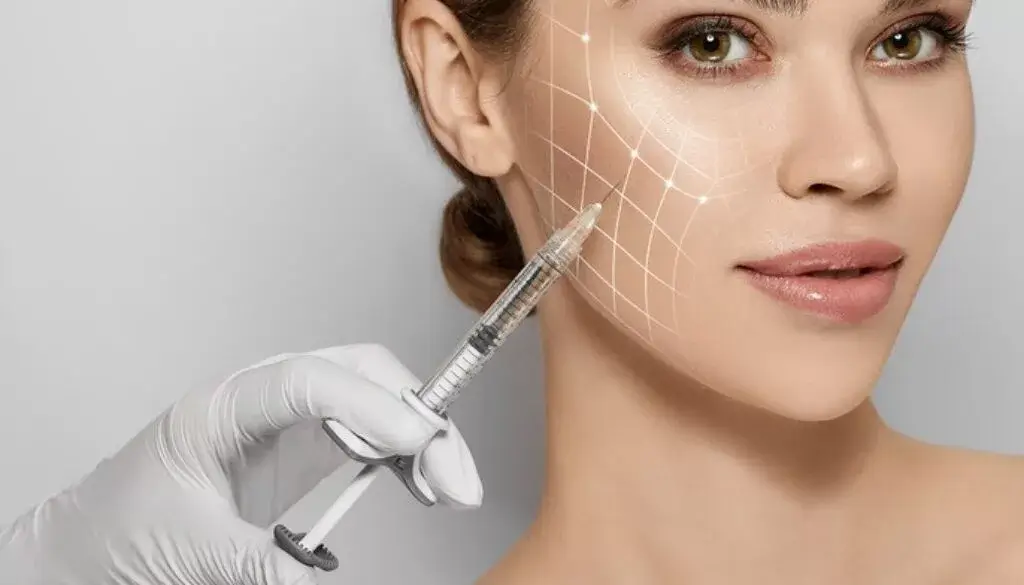
Injectable skin treatments are often discussed alongside fillers, but the goals can be quite different. People researching skin booster injections should first understand what the treatment is intended to improve, whether it suits their skin concerns and how it differs from procedures designed primarily to add volume or change facial shape.
Start With The Result You Actually Want
Patients often arrive at a clinic saying they want their skin to look “better”, but that can mean several things. One person may be concerned about dryness and dullness, while another is more interested in texture, fine lines or overall skin quality. A good consultation should turn those broad concerns into realistic treatment goals.
This matters because injectable treatments are not interchangeable. A product intended to support skin hydration or quality should not be expected to create the same structural effect as a cheek filler, for example. Equally, someone hoping to correct significant pigmentation or skin laxity may need a different treatment plan altogether.
The practitioner should assess the skin directly and explain why a particular option is being recommended. Patients should feel comfortable asking what the treatment can reasonably achieve and what it cannot.
Product Choice Should Have A Clear Rationale
There are different injectable products used in aesthetic practice, and they may contain different ingredients or be designed for different purposes. Patients do not need to become product experts, but they should understand what is being injected and why it is appropriate for them.
A responsible consultation should cover the product name, expected effect, treatment areas and how many sessions may be suggested. It should also explain whether the result is intended to develop gradually and whether maintenance may be needed later.
Brand recognition alone should not determine the decision. The right product depends on the person’s skin, treatment goal and medical suitability. A practitioner should be able to explain that reasoning clearly rather than simply offering whichever treatment happens to be popular.
Expect A Course Rather Than An Instant Transformation

Skin-focused treatments often work differently from procedures that produce an immediate structural change. Improvement may be gradual, and some treatment plans involve more than one session. Patients should know this before starting so they do not judge the result too early.
It is also important to discuss how photographs will be used to monitor progress. Changes in skin quality can be subtle, and consistent before-and-after images may give a clearer picture than memory alone.
Expectations should remain realistic. Injectable treatments can support certain cosmetic goals, but they cannot replace good skincare, sun protection or treatments better suited to other concerns. A balanced plan often produces more sensible results than trying to solve everything with one procedure.
Aftercare Is Part Of The Treatment
Temporary redness, swelling, tenderness or small injection marks can occur after injectable procedures. Patients should receive clear instructions about what is expected, what activities to avoid temporarily and when to contact the clinic if something does not feel right.
Treatment timing should also be considered. Booking immediately before an important event may create unnecessary stress if bruising or swelling appears. Allowing recovery time makes the process easier.
The best decisions come from clear assessment and realistic expectations. When patients understand the purpose of the treatment, the product being used and the likely journey afterwards, they are better placed to decide whether it genuinely fits their needs.
Comments are closed.