

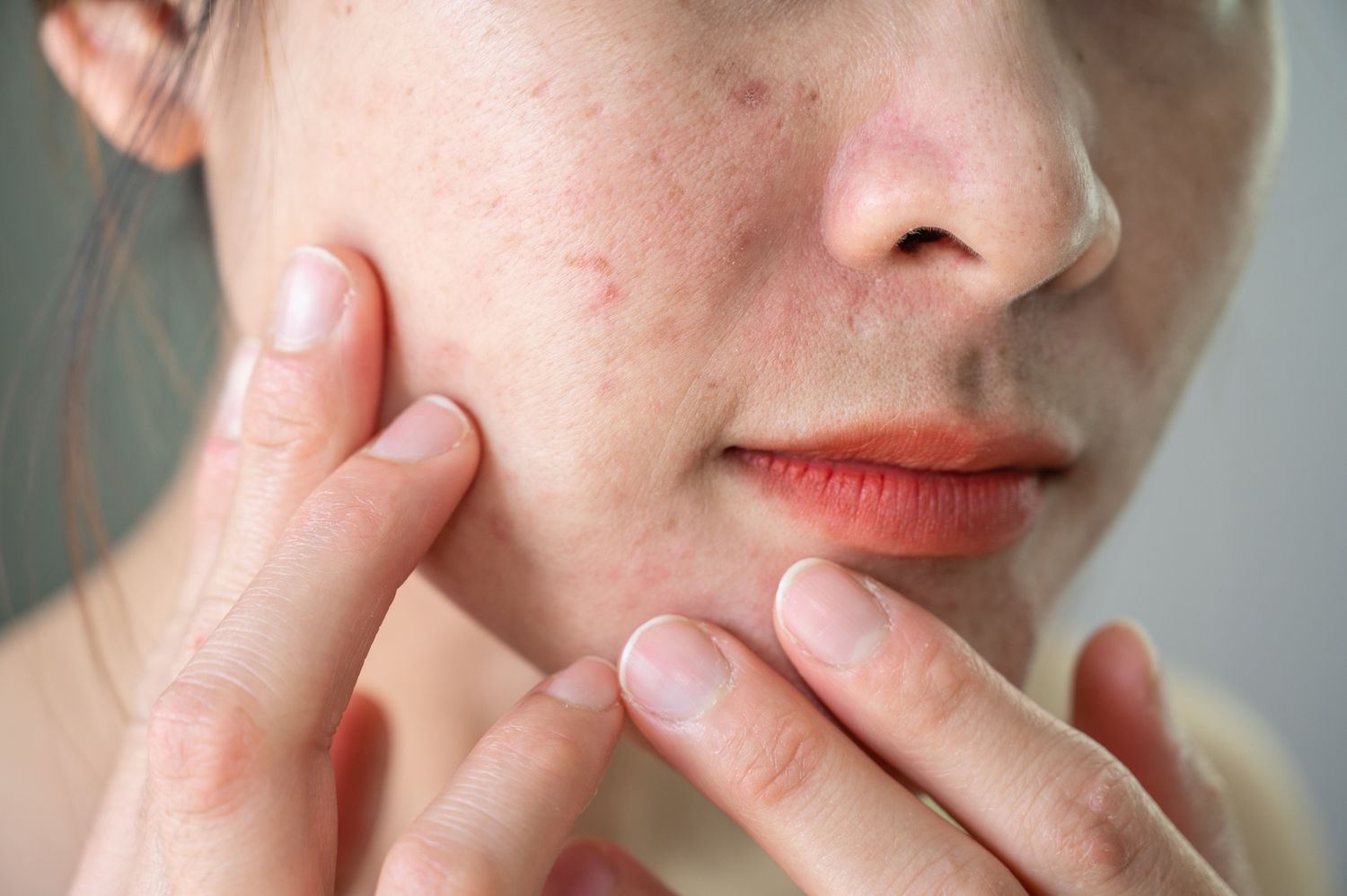
Acne may clear, but the changes it leaves behind can last much longer. Depressed scars, rough patches, enlarged-looking pores, and uneven skin texture are common concerns after persistent or inflammatory acne. Fortunately, the right skin treatment in Chandigarh can help improve the appearance and texture of acne-affected skin.
However, acne scars are not all the same. The most suitable treatment depends on the type and depth of scarring, skin tone, sensitivity, and whether active acne is still present. Understanding these factors can help you make a more informed decision about your skin.
Why Does Acne Cause Uneven Skin Texture?
Acne-related inflammation can damage collagen and other structures that support the skin. During the healing process, the skin may produce either too little or uneven amounts of collagen, resulting in visible textural changes.
Some of the most common acne scar types include:
- Rolling scars: Broad, shallow depressions that create a wavy appearance.
- Boxcar scars: Wider depressions with more defined edges.
- Ice-pick scars: Narrow and deeper scars that extend further into the skin.
It is also important to distinguish scars from post-acne pigmentation. Dark spots may fade with time and appropriate skincare, while structural scars generally require professional treatment.
Start With a Professional Skin Assessment
Before choosing a procedure, it is worth getting the skin properly assessed. A dermatologist can determine whether the concern is primarily pigmentation, enlarged pores, superficial texture, or deeper scarring.
This assessment also helps identify whether active acne needs to be controlled first. Treating ongoing breakouts can reduce the risk of developing additional scars.
For those considering the best dermatologist in Chandigarh, factors such as qualifications, experience with acne scarring, treatment options, and personalised care are worth considering rather than choosing a clinic based solely on advertised technology.
Treatments That May Improve Acne-Related Texture
There is no single procedure that works equally well for every type of acne scar. Depending on the skin assessment, a dermatologist may recommend one treatment or a combination of approaches.
Laser Resurfacing
Laser resurfacing can improve certain types of acne scars and uneven texture by creating controlled areas of treatment that stimulate skin remodelling.
If you are researching the best skin laser treatment in Chandigarh, focus on whether the treatment is appropriate for your particular scar type and skin tone. The right procedure is more important than simply choosing the newest technology.
Microneedling
Microneedling uses controlled micro-injuries to stimulate the skin’s natural repair process. It may help improve certain types of acne scars and uneven texture over a series of treatments.
The depth and technique should be adjusted according to the individual’s skin condition rather than following a standard approach.
Radiofrequency Microneedling
Radiofrequency microneedling combines microneedling with radiofrequency energy to address concerns involving deeper layers of the skin. It may be considered for selected acne scars, enlarged pores, and textural irregularities.
Clinics such as Ageology offer treatments including Morpheus8 for patients who may be suitable for radiofrequency microneedling. The procedure should be recommended only after an appropriate skin assessment.
Can Skincare Improve Uneven Texture?
A consistent skincare routine is important, particularly when active acne is still present. A gentle cleanser, suitable moisturiser, and broad-spectrum sunscreen can help maintain the skin barrier and protect against factors that can worsen pigmentation.
Depending on the individual’s acne and skin type, a dermatologist may also recommend specific topical ingredients. Avoid picking or squeezing pimples, as repeated trauma can increase inflammation and contribute to scarring.
Skincare alone, however, may have limitations when dealing with deeper atrophic scars. In such cases, professional procedures may provide more noticeable improvement.
How Many Sessions Are Usually Needed?
The number of treatments varies according to scar depth, skin condition, treatment type, and individual response. Some superficial concerns may respond to fewer sessions, while deeper scars may require multiple treatments or a combination approach.
It is important to have realistic expectations. Acne scar treatments generally aim to soften the appearance of scars and improve overall texture rather than promise completely flawless skin.
A personalised acne scar treatment plan can help determine which procedures are appropriate and how they should be spaced for adequate recovery.
When Should You See a Dermatologist?
If uneven texture, depressed scars, or persistent pigmentation remain several months after acne has improved, a professional consultation can help determine the underlying concern.
You should also consider seeking professional advice if you continue to develop painful or inflammatory acne. Addressing active acne alongside existing scars can help prevent further skin damage.
The most effective approach is usually not the most aggressive one. A treatment plan based on your scar type, skin condition, and realistic goals is more likely to provide meaningful improvement.
FAQs
Can acne scars be completely removed?
Deep acne scars generally cannot be completely erased, but their appearance can often be significantly improved. Treatment results depend on scar type, depth, skin characteristics, and the chosen procedure.
Is laser treatment good for acne scars?
Laser resurfacing can be helpful for certain acne scars and uneven texture, but it is not suitable for every scar type or every skin tone. A professional assessment should come before choosing a laser treatment.
Does microneedling work for uneven skin texture?
Microneedling can improve certain types of acne scars and uneven texture by stimulating the skin’s natural repair response. Multiple sessions may be recommended depending on the severity of the concern.
Can acne scars improve naturally?
Some post-acne marks, particularly pigmentation, may gradually fade with time and appropriate skincare. Structural acne scars are less likely to disappear on their own and may benefit from professional treatment.
When should I start treating acne scars?
It is generally useful to first control active acne before focusing heavily on scar treatment. Once breakouts are under control, a dermatologist can assess the remaining scars and recommend suitable options.
Comments are closed.