

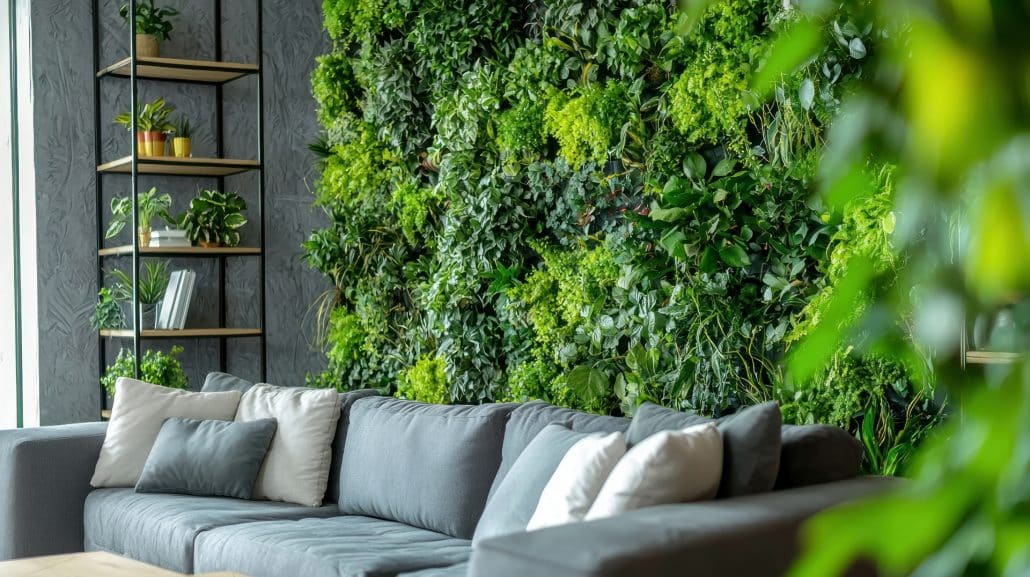
As the global population continues to gravitate toward urban centers, the traditional dream of a sprawling backyard with a white picket fence is being replaced by a new reality: high-density city living. In metropolitan hubs across the United States, square footage has become a premium commodity. However, the human desire for a connection to nature and a functional, organized home environment has not diminished. This tension between limited space and the need for a high quality of life has given birth to a specialized industry. The rise of vertical gardening and small-space living services represents a sophisticated intersection of horticulture, interior design, and lifestyle engineering.
The Urban Squeeze and the Need for Greenery
Living in an apartment or a compact condo often means sacrificing access to private outdoor space. This “nature deficit” can have a measurable impact on mental well-being, contributing to higher stress levels and a sense of disconnection. Vertical gardening has emerged as a practical solution to this problem. By utilizing the Y-axis of a home—walls, railings, and ceilings—rather than the limited floor space of the X-axis, residents can transform sterile environments into lush, air-purifying sanctuaries.
Modern vertical gardening services provide more than just a few potted plants. They offer comprehensive systems that include integrated irrigation, specialized lighting, and plant selection tailored to the microclimate of an urban apartment. These “living walls” act as natural insulation, sound dampeners, and aesthetic focal points, proving that a lack of a yard does not necessitate a lack of life.
Functional Design in Small-Space Living
Small-space living services focus on the concept of “spatial efficiency.” This is the art and science of ensuring that every square inch of a home serves a purpose. For many urbanites, the challenge is not just the size of the apartment, but the layout and the accumulation of belongings.
Professional small-space consultants approach a home with a strategic lens. They look for “dead zones”—such as the space above doorways, the gaps between appliances, or the unused areas under furniture—and convert them into high-utility zones. The goal is to create a home that feels expansive rather than restrictive. This is achieved through a combination of custom cabinetry, modular furniture, and a deep understanding of human traffic patterns within a confined area.
The Technology Powering Vertical Gardens
The success of a vertical garden in an indoor environment depends heavily on technology. Traditional gardening relies on the predictable cycles of the sun and rain, but an apartment on the twentieth floor requires a more engineered approach.
-
Hydroponic and Aeroponic Systems: Many vertical gardening services utilize soil-less growing methods. Hydroponics uses nutrient-rich water, while aeroponics mists the roots of plants. These systems are cleaner, lighter, and often more efficient than traditional soil, making them ideal for interior walls.
-
Automated Nutrient Delivery: For the busy professional, maintaining a wall of plants can be daunting. Modern services install sensors that monitor moisture levels and nutrient density, automatically delivering exactly what the plants need via a smartphone app.
-
Full-Spectrum LED Lighting: Sunlight is often blocked by neighboring skyscrapers. Specialized LED systems mimic the solar spectrum, ensuring that even a windowless hallway can support a thriving vegetable or flower garden.
Psychology of the Minimalist Lifestyle
Small-space living services often overlap with the philosophy of minimalism. When space is limited, the relationship between a person and their possessions must change. Consultants in this field often help clients perform “intentional audits” of their belongings.
This process is not about deprivation; it is about curation. By removing items that do not add value or utility, residents can reduce the “visual noise” that contributes to anxiety in small quarters. A well-designed small space uses hidden storage and multi-functional pieces—such as a desk that folds into a bed or a dining table that collapses into a console—to maintain a sense of order. This psychological shift allows individuals to focus on experiences and relationships rather than the maintenance of “stuff.”
Economic and Environmental Benefits
Beyond the personal benefits of aesthetics and organization, these services provide broader societal value. Vertical gardening contributes to urban biodiversity and helps mitigate the “heat island” effect common in concrete-heavy cities. Furthermore, growing food at home—even if it is just herbs, microgreens, or small vegetables—reduces the carbon footprint associated with transporting produce.
Economically, small-space living services increase the value and utility of real estate. By making a 500-square-foot studio feel and function like a 700-square-foot one-bedroom, these services provide a high return on investment. They allow people to stay in desirable urban neighborhoods longer, avoiding the high costs and environmental impact of long commutes from the suburbs.
Tailored Services for the Modern Renter
A unique challenge in the American market is that many urban dwellers are renters. Traditional renovations or permanent living walls are often prohibited by lease agreements. To address this, a sub-sector of the industry has developed “portable” living services.
These include freestanding vertical garden units that can be moved like furniture and modular storage systems that use tension rods or non-damaging adhesives rather than screws. This flexibility ensures that the benefits of a high-end living environment are accessible to everyone, regardless of whether they own their home.
The Role of Professional Organization
A key component of small-space living is professional organization. This goes beyond just “tidying up.” It involves creating systems that are sustainable for the residents. In a small kitchen, for example, an organizer might use tiered shelving and magnetic strips to keep counters clear. In a closet, they might implement vertical hanging systems that triple the capacity of a standard rod.
These services provide a “user manual” for the home. When every item has a specific, logical home, the daily friction of living in a small space disappears. This eliminates the “cramped” feeling that often drives people out of cities and back to larger, less efficient homes.
Conclusion
The rise of vertical gardening and small-space living services is a testament to human ingenuity. As we move toward a future defined by urbanization, the way we define “home” is changing. We are learning that beauty, functionality, and nature are not dependent on acreage. By embracing the vertical plane and optimizing our interior environments, we can create high-performance living spaces that nourish our bodies and minds. These services are not just a trend; they are a necessary adaptation to a changing world, ensuring that even in the heart of the densest city, we can still find room to grow.
Frequently Asked Questions
What are the best types of plants for a vertical garden with low natural light?
In urban apartments with limited sunlight, it is best to choose “low-light” tropical plants. Species such as Pothos, Heartleaf Philodendron, Snake Plants, and ZZ Plants are exceptionally resilient. They can thrive under artificial LED light and are forgiving if the watering schedule is inconsistent, making them perfect for vertical installations in hallways or bedrooms.
How do vertical gardening services prevent water damage to walls?
Professional living wall systems are designed with multiple layers of moisture protection. This typically includes a waterproof backing or a specialized vapor barrier between the plant modules and the drywall. Additionally, high-end systems use a “closed-loop” irrigation method that collects excess water in a bottom reservoir, preventing any leakage onto the floor or walls.
Can you actually grow edible food in a small indoor vertical garden?
Yes, many small-space gardeners successfully grow a variety of edibles. Leafy greens like spinach, kale, and lettuce are the easiest to manage. Herbs such as basil, mint, and cilantro also flourish in vertical systems. With specialized “grow lights,” it is even possible to harvest cherry tomatoes and small peppers indoors year-round.
What is the difference between a living wall and a preserved moss wall?
A living wall consists of live plants that require water, light, and nutrients to survive; it actively purifies the air. A preserved moss wall uses real moss that has been treated with a glycerin-based solution to stay soft and green without needing water or light. Moss walls are better for areas with zero light or for those who want a “set it and forget it” aesthetic.
Are small-space living services expensive for the average apartment dweller?
While custom built-in furniture can be an investment, many services offer tiered options. This can range from a one-time consultation to provide a DIY organization plan to full-service installations. Many people find that the cost of the service is offset by the improved utility of their space, effectively “gaining” an extra room without paying higher rent.
How does vertical gardening impact the indoor air quality of a small apartment?
Plants act as natural air filters through a process called phytoremediation. They absorb common indoor toxins like formaldehyde, benzene, and trichloroethylene, which can off-gas from furniture and carpets. In a small space, a vertical garden provides a high concentration of foliage that can significantly increase oxygen levels and regulate humidity.
Does a vertical garden require a lot of maintenance?
With modern automation, maintenance is minimal. Automated irrigation handles the watering, and LED timers manage the light. A homeowner typically only needs to spend about fifteen minutes every few weeks to prune dead leaves or add nutrients to the water reservoir. Many professional services also offer monthly maintenance contracts to handle these tasks for the client.
Comments are closed.